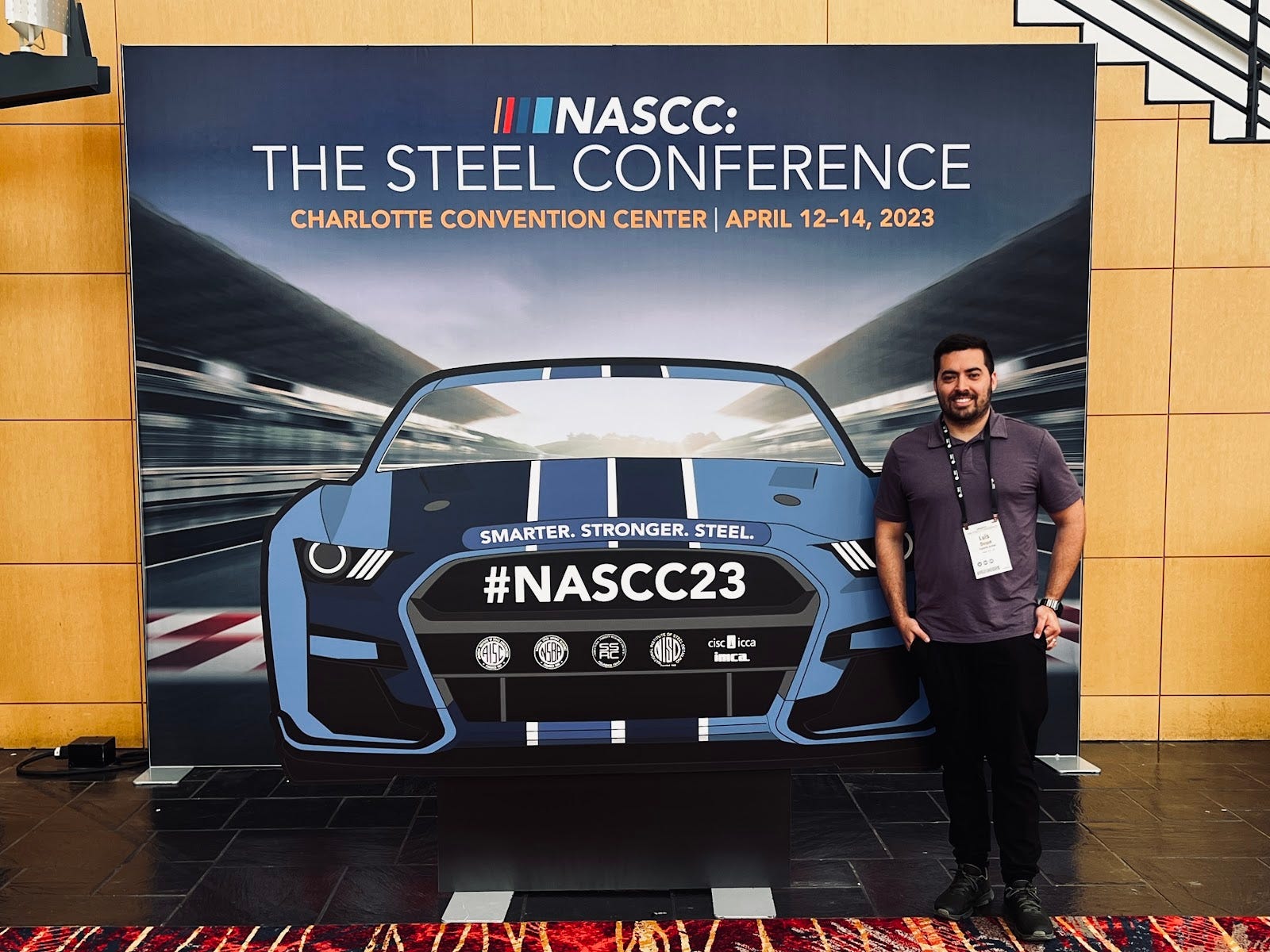
Walking into the Steel Conference, I expected what most engineers would expect: new products, technical sessions, better tools, and plenty of conversations about projects. All of that was there. But after spending time walking around the exhibit hall, attending sessions, and talking to people, I came away with a different conclusion.
The biggest story to me was not steel itself, surprisingly.
It was the future of the people, innovation, and ideas shaping the industry.
Under the wave of information, four themes stood out: workforce development, speed of construction, artificial intelligence, and the continued importance of standardization.
Those four themes say a lot about where our industry is headed.
1. Building a Town, Not Just a Company
One phrase I heard during the conference stayed with me:
Build a town, not just a company.
That idea captures something many organizations are beginning to understand. Long-term success is not built only through revenue, backlog, or market share. It is built through people, culture, and community.
Several conversations centered around leadership development and creating workplaces where people can grow. Notes I took throughout the event included ideas like:
Match people to the right projects
Build systems that support people
Be willing to show vulnerability
Have crucial conversations
Develop self-aware leaders
Encourage mentorship
Give honest feedback
Create growth plans
Landing at the end of these ideas is not coincidence, but a delivered set of actions that leaders must take if they want to develop their people into leaders.
In an industry facing labor shortages, retirements, and increasing complexity, leadership matters more than ever. Better leaders build stronger teams. Stronger teams deliver better projects. Better projects create better reputations and attract more talent.
Workforce development is not just about recruiting. It is about creating an environment where people want to stay and improve.
2. Faster Construction Is Becoming Essential
Another clear theme was speed.
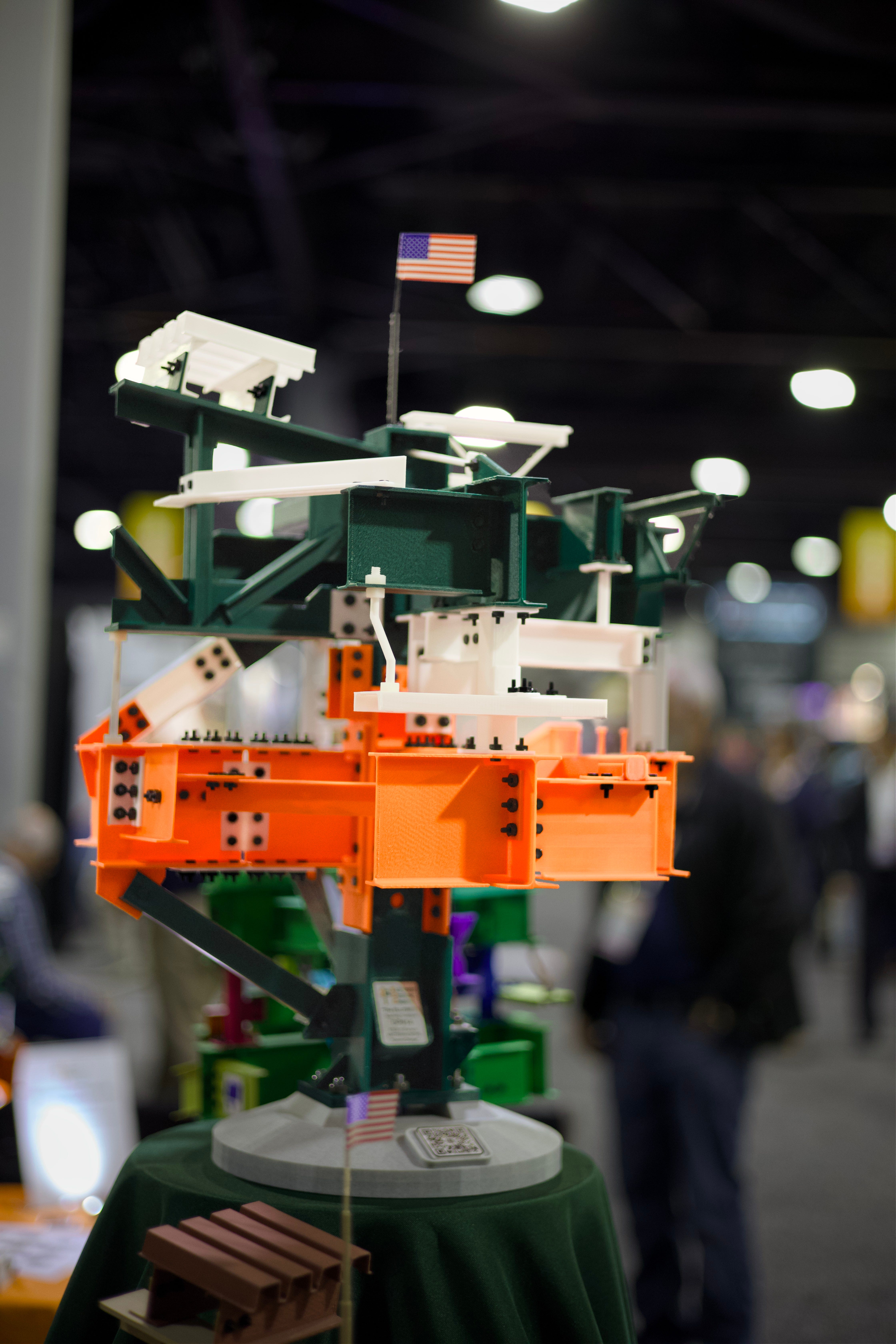
Products like Fast Floor, Speed Connection, and Speed Core (see a theme here?) have been at the center of AISC’s research work over the last few years. These solutions show how much emphasis is being placed on constructability, labor efficiency, repairability, and sustainability.
That makes sense.
The industry is under pressure from tighter schedules, rising costs, limited labor availability, and a big push for sustainable construction. When that happens, innovation often focuses on simplifying installation and standardizing design and construction processes.
These standardized systems speed up design and construction can create real advantages:
Less time in the field
Fewer labor hours
Safer installation processes
Better schedule reliability
Reduced downstream delays
More sustainable
Increased repair ability as well as reusability
This is where engineering becomes practical. It is not enough to design something that works on paper. Increasingly, successful solutions are those that work efficiently in the real world.
The future will belong to teams that understand both structural performance and constructability.
3. AI Enters the Chat, in a Practical Way
Artificial intelligence was another topic that stood out, particularly through discussions around Clark AI and how engineers are beginning to use AI tools beyond business assistants.
The most useful examples were centered on how AI can help engineers work faster and focus attention where it matters most. That includes:
Quickly finding information
Summarizing standards or references
Generating first drafts of calculations or workflows
Organizing project knowledge
Supporting repetitive design tasks
Helping teams move faster internally
Used correctly, AI can remove friction from engineering work.
That matters because engineers should spend more time applying judgment, solving problems, and communicating clearly—not digging through files or recreating routine tasks.
AI will not replace good engineers.
But engineers who learn to use AI effectively may outperform those who ignore it.
That shift is already beginning.
4. Standardization
For all the excitement around new products and new technology, one final reminder stood out: standardization still matter.
Discussions around NSBA and updated bridge standard plans reinforced something important. Innovation moves quickly, but the industry still depends on common expectations, sound guidance, and technical consistency, especially for most everyday projects.
Standards provide:
Safety
Reliability
Shared design language
Quality expectations
Confidence across owners, engineers, fabricators, and contractors
That foundation is easy to overlook until it is missing and feels “boring” to most. We all became engineers to innovate and design unique projects. The reality is that a lot of projects benefit from these standards. They produce a clear path that is repeatable, minimizes errors, and ultimately are more cost effective.
New tools can improve productivity. New systems can speed construction. AI can enhance workflows.
But standards are the solid ground that free us up to think bigger.
That balance between innovation and discipline is essential.
My Biggest Takeaway
Leaving the conference, I felt encouraged.
This industry is not standing still.
It is investing in people. It is improving how things get built. It is exploring new tools like AI. And it is continuing to strengthen the standards that keep projects safe and dependable.
That combination matters.
Because the future of engineering will not be built by technology alone.
It will be built by organizations that develop people, embrace practical innovation, and maintain the discipline to do things right.
That is what I saw at the Steel Conference.
And that is a future worth paying attention to.
Every field note starts with a good cup.
Colombian coffee from my family's farms in Caldas, roasted fresh and shipped within a week.